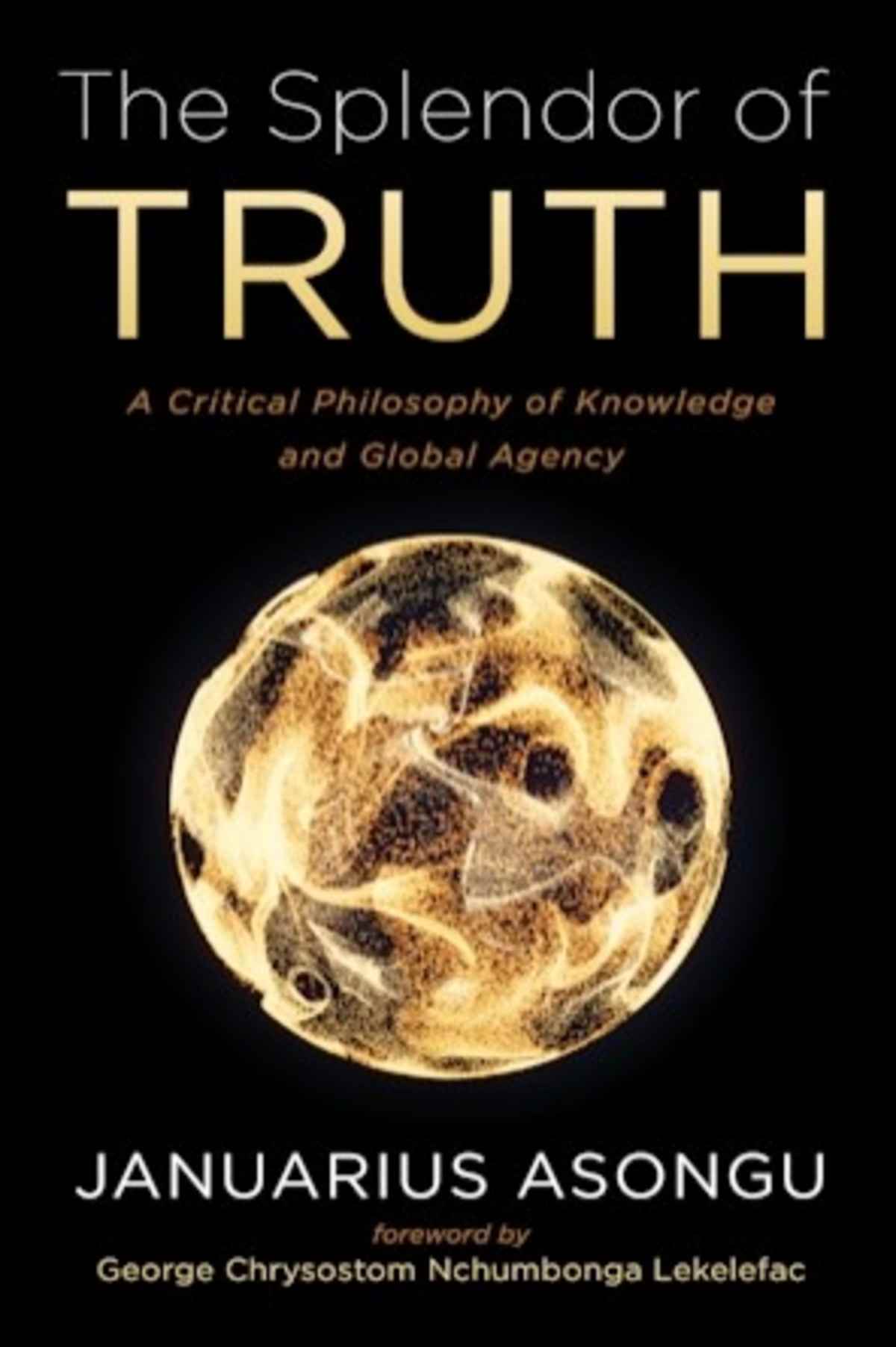
By Januarius Asongu, PhD
In Critical Synthetic Realism (CSR), truth is never merely theoretical. It carries social, political, and global consequences. This is why CSR speaks not only of knowledge, but of agency—and not only of agency, but of global agency exercised through democratic responsibility.
To speak of agency is to affirm that human beings are capable of action that shapes reality. We are not passive observers of the world; we are participants in it. Our beliefs inform our choices. Our choices structure institutions. Institutions shape cultures. Cultures influence future generations. Agency, therefore, is not abstract. It is causal.
CSR links this directly to truth. If reality is structured and consequential—what CSR calls Conditional Reality—then false beliefs produce real harm. Misinformation distorts policy. Ideology entrenches injustice. Superstition fuels violence. Economic myths perpetuate inequality. Error, when scaled socially, becomes structural.
For this reason, epistemology and politics cannot be separated.
Global agency refers to humanity’s collective capacity to shape the future of civilization. In an interconnected world, no society operates in isolation. Climate change, economic systems, digital technologies, artificial intelligence, migration, pandemics, and geopolitical conflict transcend borders. Decisions made in one nation affect the entire planet.
This interconnectedness transforms responsibility. Local ignorance now has global impact. Digital falsehood can spread across continents in minutes. Technological innovation can reshape labor markets worldwide. Economic policy in one region can destabilize another.
Thus CSR argues that knowledge must mature into responsibility.
Democracy becomes central in this framework because it institutionalizes correctability. A healthy democracy is not one that guarantees perfection; it is one that builds mechanisms for revision. Elections, public debate, independent media, judicial review, academic freedom, and transparent governance function as societal forms of epistemic humility. They assume that power must be accountable because leaders can be wrong.
Democracy, at its best, is structured fallibilism.
In contrast, authoritarian systems suppress critique. They protect certainty rather than truth. When correction is blocked, error becomes entrenched. Policy becomes dogma. Dissent becomes treason. Over time, reality reasserts itself—often through crisis.
CSR therefore frames democratic responsibility as an ethical extension of epistemic humility. Citizens must cultivate intellectual virtue. Leaders must remain open to critique. Institutions must embed transparency. Public discourse must prioritize truth over tribal loyalty.
Global agency demands more than voting; it demands moral maturity.
This includes resisting misinformation, engaging diverse perspectives respectfully, holding institutions accountable, and recognizing how personal beliefs influence collective outcomes. It also requires solidarity across cultures. Global challenges cannot be solved through narrow nationalism alone. Climate stewardship, technological ethics, economic justice, and peace-building require cooperative alignment with reality.
CSR emphasizes that democratic responsibility begins with truthfulness. A democracy without commitment to truth degenerates into spectacle or factionalism. When emotion overwhelms reason and identity replaces evidence, democratic structures weaken.
Global agency, therefore, rests on three pillars:
- Realism — acknowledging the real conditions shaping human life.
- Correctability — building institutions capable of revision.
- Responsibility — recognizing that beliefs and actions shape shared futures.
Ultimately, CSR presents a hopeful but demanding vision. Humanity possesses unprecedented power—technological, economic, and communicative. That power must be guided by truth and moral discipline. Without alignment to reality, global agency becomes global harm. With alignment, it becomes the path toward shared flourishing.
Democratic responsibility is thus not optional. It is the civic expression of intellectual virtue. In an age of complexity, to seek truth is to safeguard freedom—and to exercise freedom responsibly is to participate in shaping a just and flourishing global future.