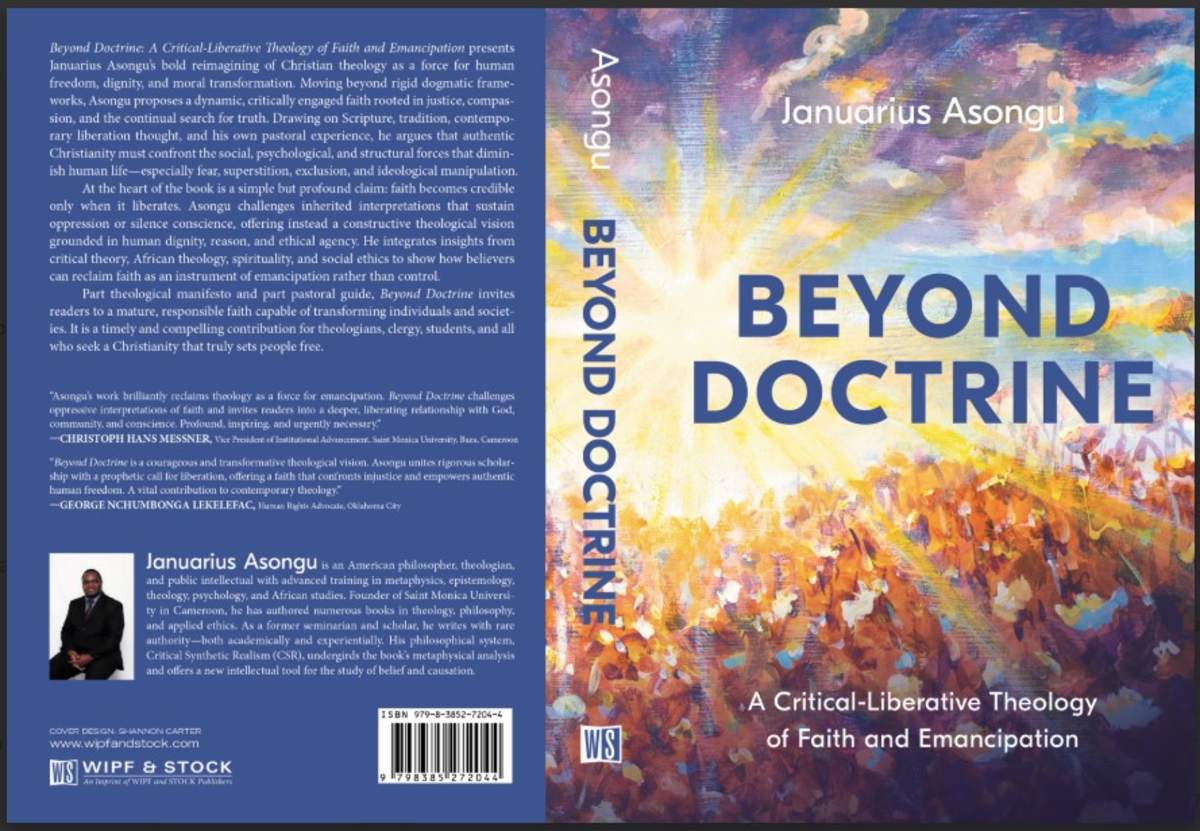
By Januarius Asongu, author of Beyond Doctrine
This year offers a rare and powerful convergence in the spiritual calendar: Lent and Ramadan intersect. For millions of Christians and Muslims around the world, the same weeks are marked by fasting, abstinence, repentance, and renewed devotion to God. Though rooted in distinct theological traditions, their overlap creates a profound moment of shared human discipline—an intersection not merely of calendars, but of moral intention.
Lent, the forty-day Christian preparation for Easter, commemorates Christ’s fasting in the wilderness. It is a season of penance, prayer, fasting, and almsgiving. Christians abstain from certain foods, comforts, and pleasures, not because the material world is evil, but because the human person must remain sovereign over desire. Lent restores proper order within the self. It reminds believers that freedom is not the absence of limits, but the mastery of self in the pursuit of truth and goodness.
Ramadan, the ninth month of the Islamic calendar, similarly calls Muslims into a daily fast from dawn to sunset. But Ramadan is not merely about abstaining from food and drink. It is about disciplining speech, purifying thought, and cultivating compassion. The fast becomes a mirror. It reveals both human fragility and human dignity. Hunger becomes a teacher, reminding the believer of dependence on God and solidarity with those who live in deprivation every day.
That these two sacred seasons now unfold simultaneously carries deep symbolic meaning. It reveals that the instinct toward penance and abstinence is not confined to one religion, culture, or civilization. It reflects a universal recognition that the human person must periodically step back from excess in order to see clearly again. In both traditions, abstinence is not deprivation for its own sake. It is restoration. It clears the noise created by constant consumption and distraction.
Modern society is structured around immediate gratification. Every impulse can be satisfied instantly. Every discomfort can be avoided. Yet this constant fulfillment of desire paradoxically weakens the person. Without restraint, appetite becomes tyrannical. Without silence, truth becomes difficult to hear. Lent and Ramadan interrupt this cycle. They restore interior sovereignty.
The intersection of these seasons also offers a rare moment of shared empathy between Christians and Muslims. Both experience hunger during the day. Both engage in deeper prayer. Both confront their own weaknesses and seek forgiveness. Both rediscover gratitude—for food, for life, for mercy. In a world often fractured by religious misunderstanding, this convergence reminds us that the deepest spiritual struggles are shared.
Penance and abstinence are ultimately acts of hope. They affirm that human beings are not prisoners of instinct. We are capable of self-transcendence. We are capable of moral renewal. We are capable of becoming more than we are.
This year, as Lent and Ramadan unfold side by side, they stand together as a quiet but powerful witness: that true strength is found not in consumption, but in restraint; not in indulgence, but in discipline; and not in possessing more, but in becoming more.